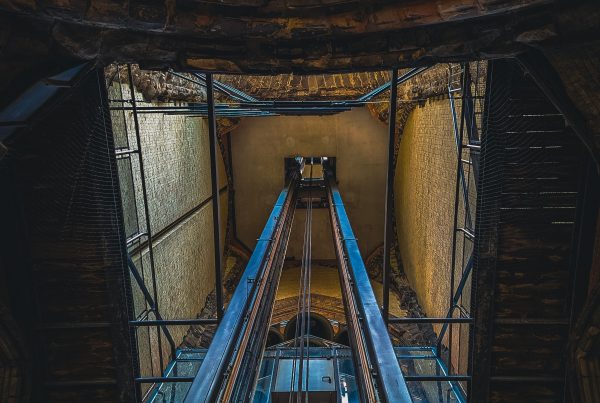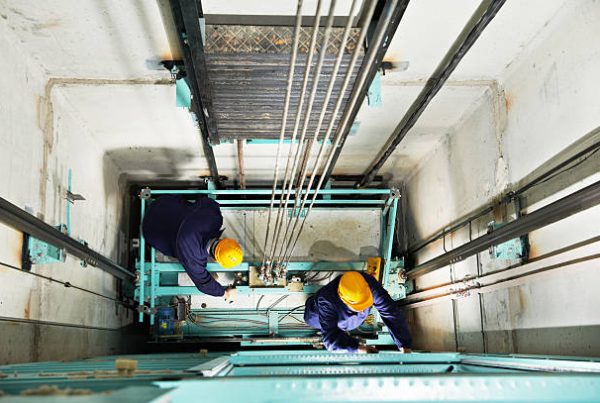

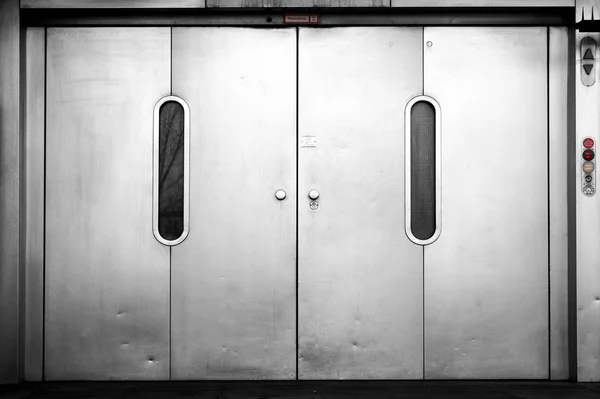

A freight elevator carries goods rather than people, with a reinforced platform, wider doors and a lower speed than a passenger lift. Choosing one comes down to four things: rated load, taken from your heaviest recurring load; loading class, meaning how the load is applied; cabin and door dimensions, measured from the goods; and duty cycle, in starts per hour. Floor count comes last.
What Are Freight Elevators, and What Else Are They Called?
Naming varies by market. American specifications say freight elevator; British and Gulf projects say goods lift or cargo lift, and suppliers in Qatar use cargo elevator and freight lift interchangeably. Same machine. Light commercial units start around one tonne and most industrial installations sit between two and five tonnes. What sets them apart is design intent, not tonnage: pallets and equipment enter daily, so the platform, sill and doors are built for impact.
Freight, Service or Dumbwaiter: Getting the Category Right
Buying the wrong category is a common and costly error.
| Type | Carries | Anyone rides? | Typical use |
| Freight elevator | Pallets, trolleys, equipment | Optional, and it changes the spec | Warehouses, factories |
| Service elevator | Goods and staff together | Yes, always | Hotel, hospital back-of-house |
| Dumbwaiter | Light loads, nobody enters | No, never | Restaurants, laboratories |
Rated Load and Loading Class: The Two Numbers That Decide Everything Else
Rated load comes from your heaviest recurring load, not the average. A facility moving 800 kg daily and lifting 1,500 kg weekly needs a lift built for 1,500, or that weekly lift becomes the source of every fault.
Loading class is the figure most buyers skip. It describes how the load reaches and sits on the platform, not what it weighs:
- Distributed, such as cartons moved by hand truck.
- Concentrated on a small footprint, such as machinery on a compact base.
- Delivered by powered truck, where the vehicle weight is added and sits on its wheels.
The same tonnage gives three specifications for platform, sill and frame. Forklift loading is the demanding case: the platform briefly carries more than the rated load while the truck is on it. One caution before comparing quotations, the Class A to C3 system on American sites comes from ASME A17.1, while Gulf projects are specified to EN 81. Ask which framework yours uses.
Size the Cabin and Doors Around the Load, Not the Available Space
The usual sequence runs backwards: measure the shaft, then order the largest lift that fits. Start from the goods instead. Measure the pallet, and the forklift turning radius if a truck will enter. Compare load width against the clear door opening rather than the cabin width, because the door is what stops a delivery. Then check clear internal height, and ask what response time and parts cover the contract carries.
Duty Cycle and Reliability: Why Cheap Goods Lifts Fail First
Here is a position not every supplier shares: the first failure on a cheap goods lift comes from repetition, not load.
A lift making ten trips a day is a different machine from one making eighty at identical capacity. Starts per hour drive machine temperature, controller life, brake and door wear. Doors go first industrially, because they move most. Ask for the designed duty cycle as a figure. A quotation stating capacity and speed but silent on starts per hour is where the price difference hides.
Commercial Freight Elevators in Qatar: Power, Dust and Lead Times
Commercial freight elevators in Qatar meet three conditions a catalogue specification ignores.
Power first: most freight capacities need a three-phase supply, so confirm it at survey rather than at installation. Dust second: goods lifts run in warehouses and factories where doors cycle constantly and dust reaches the tracks far faster than a temperate-climate schedule assumes, so the maintenance interval should follow real usage. Lead time third, and usually raised last: a freight lift waiting on a part is a handling line stopped with it, so ask where spares for your model are held.
Freight Elevators from IET in Qatar
IET Solutions has worked in the Qatari market since 2004, supplying, installing and maintaining elevators, escalators, walkways and automated parking. We supply freight elevators up to 5,000 kg, specified after a survey of your loads and handling method, with a Doha team and local spare-parts stock.
Planning a freight elevator? Get in touch to arrange a site survey.
FAQs
What is a freight elevator?
A lift built to move goods rather than passengers, with a reinforced platform, wider doors and lower speed. Also called a goods lift or cargo lift, with capacities typically from one to five tonnes.
What is the difference between a service elevator and a freight elevator?
A service elevator is a passenger lift finished for back-of-house traffic, carrying staff and goods together. A freight elevator is built around the load, and whether an operator rides decides which requirements apply.
Can a freight elevator take a forklift?
Yes, if designed for it from the start. The truck weight is added to the load, the platform briefly carries more than the rated load during loading, and the floor must take the wheel point loads with a level, reinforced sill. Lifts not specified for this fail at the sill first.